Why engineered metal components matter in commercial vehicle manufacturing
Every heavy vehicle depends on the integrity of its smallest components. In truck fuel systems, a single poorly specified socket, plug or bracket can compromise safety, uptime and compliance.
For manufacturers of commercial vehicles and fuel systems in particular, every socket, plug, bracket and sealing component must perform under demanding real-world conditions.
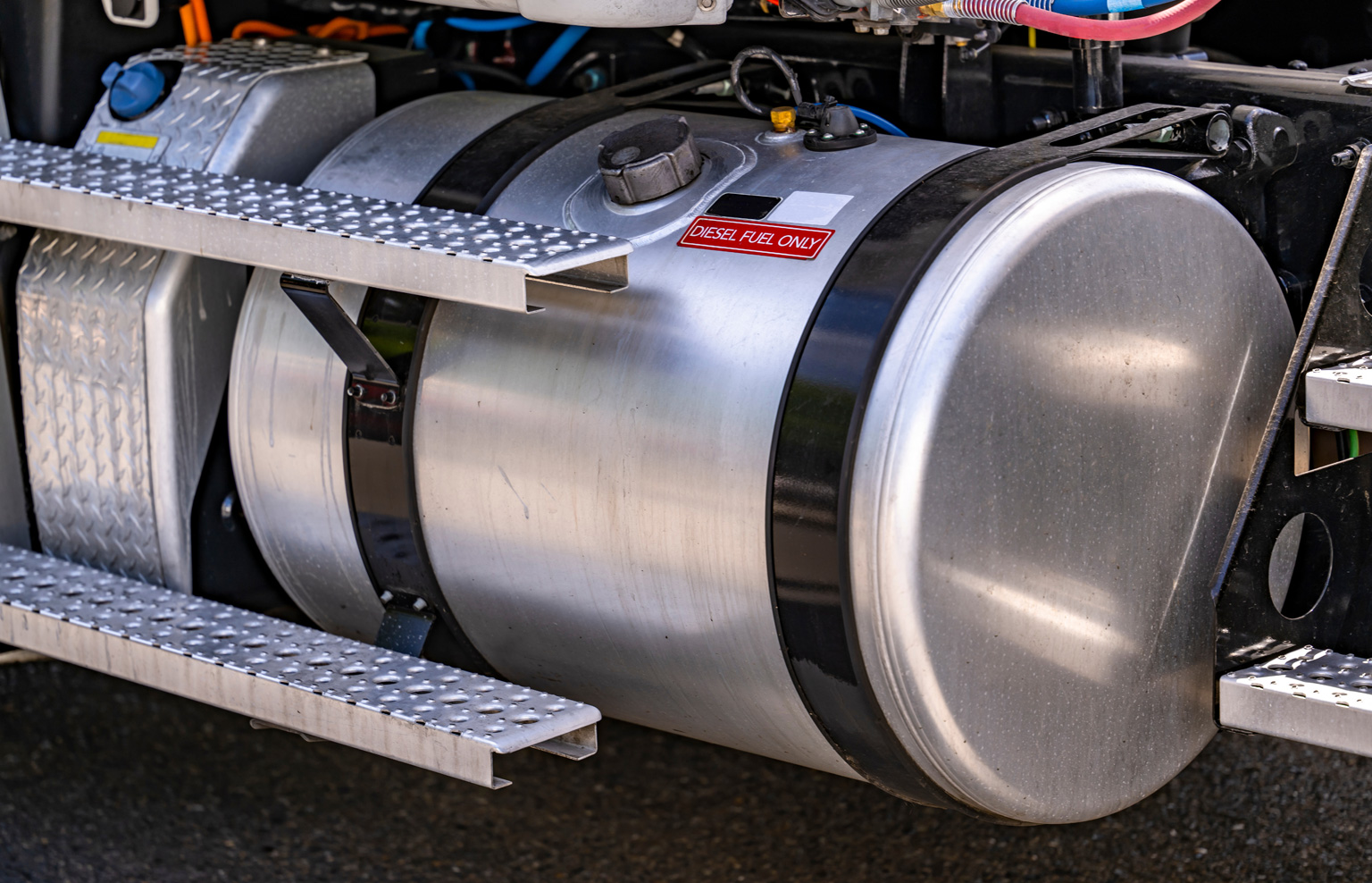
Infastech Engineered Fastening (IEF) supports the trucking sector with CNC-machined and stamped metal components used primarily in truck fuel tank systems – one of the most safety-sensitive areas of any heavy vehicle.
Where IEF components fit in truck applications
Within the commercial vehicle sector, IEF most commonly supplies:
- CNC-machined sockets and plugs for fuel tanks
- Tank strap components and assembly hardware
- Sealing and capping components
- Stamped bracketry and welded metal subcomponents
- Decorative metal elements for selected applications
While IEF is widely known for fastening products, its capability extends well beyond rivets and standard hardware.
“Everyone tends to think of us as the rivet guys,” says John Belayiannis, Sales & Marketing Director at Infastech Engineered Fastening. “But when it comes to formed and machined metal components, there’s almost nothing we can’t source, validate and supply to automotive-level standards.”
In the trucking industry, fuel tank systems represent a high-risk environment. Components must withstand vibration, exposure to fuel, road debris, corrosion and temperature variation – all without leaking or loosening over time.
Meeting automotive-level performance standards
Truck fuel systems are subject to strict mechanical and environmental validation requirements.
IEF works to customer designs but applies rigorous qualification processes before components are released into production. This includes:
- Mechanical testing (shear, tensile and load validation through accredited laboratories)
- Corrosion resistance testing, including neutral salt spray testing
- Validation against automotive industry certification requirements
Salt spray testing is particularly critical in trucking applications, where components are exposed to moisture, road salt and harsh operating environments.
“In many cases, components must pass 400 hours of salt spray testing before showing signs of corrosion,” explains Belayiannis. “Some customers require 1,000 hours or more, which simulates decades of real-world exposure. We work with the right materials and surface treatments to ensure those requirements are met.”
Material selection may include stainless steels or specialised plated finishes, depending on the specification and environment. Where necessary, IEF collaborates with manufacturing partners to refine plating systems or material grades to meet performance thresholds.
Managing vibration, load and leak risk
In heavy vehicles, vibration is constant. Poorly manufactured or incorrectly specified components can loosen, fatigue or leak – particularly in fuel systems.
While IEF is not design-responsible for customer components, it plays a critical role in validating manufacturability and performance.
“We don’t just blindly quote to a drawing,” says Matt Wood, Quality & Engineering Manager at Infastech Engineered Fastening. “If something doesn’t make sense or we see a potential risk, we’ll go back to the customer and clarify it. Sometimes small changes in material or geometry can significantly improve manufacturability and reduce cost – without compromising function.”
This interrogation process is especially important when legacy designs are involved. In commercial vehicle manufacturing, some specifications date back decades. IEF regularly works with customers to modernise outdated drawings, substitute obsolete materials and align specifications with current manufacturing realities.
The result is a balance between functionality, durability and commercial practicality.
Reducing supply chain risk for truck manufacturers
Beyond component performance, supply chain stability is increasingly critical for Australian manufacturers.
IEF leverages long-standing relationships with accredited overseas factories – relationships built over decades of automotive project experience. Factories are regularly visited and fully vetted to ensure ongoing quality and compliance.
“We don’t deal with factories we haven’t visited and validated,” says Belayiannis. “A lot can change in 12 months. Our role is to remove the risk and guesswork for the customer.”
This approach eliminates the burden on truck component manufacturers who may otherwise need to:
- Identify and qualify overseas factories
- Conduct factory audits
- Manage testing and certification
- Navigate language and specification translation
- Coordinate freight and logistics
Instead, IEF manages sourcing, testing, sampling and quality validation – and holds stock locally.
Buffer inventory is maintained to cover baseline demand plus surge requirements, protecting customers from fluctuations in production schedules.
“If a manufacturer sourced directly overseas, they might need to commit to full annual quantities and wait for freight,” Belayiannis explains. “We hold coverage here. That means parts are available when they need them, without tying up excessive capital.”
More than a component supplier
For truck and fuel tank manufacturers looking to improve cost control, manage supply risk and ensure component reliability, the value lies not just in the part itself – but in the engineering and supply chain framework behind it.
“We’re not just selling parts,” says Belayiannis. “We’re partners in production.”
Partner with experience
In heavy-duty trucking applications, especially within fuel systems, precision and reliability matter.
If you’re reviewing CNC-machined or stamped metal components for commercial vehicle applications, speak to a team that understands:
- Automotive validation requirements
- Corrosion and mechanical testing standards
- Global factory qualification
- Local inventory management
- Commercial cost optimisation
Infastech Engineered Fastening is a vetted, automotive-experienced metal component partner.
To discuss your truck or fuel system application requirements, contact the IEF team today.