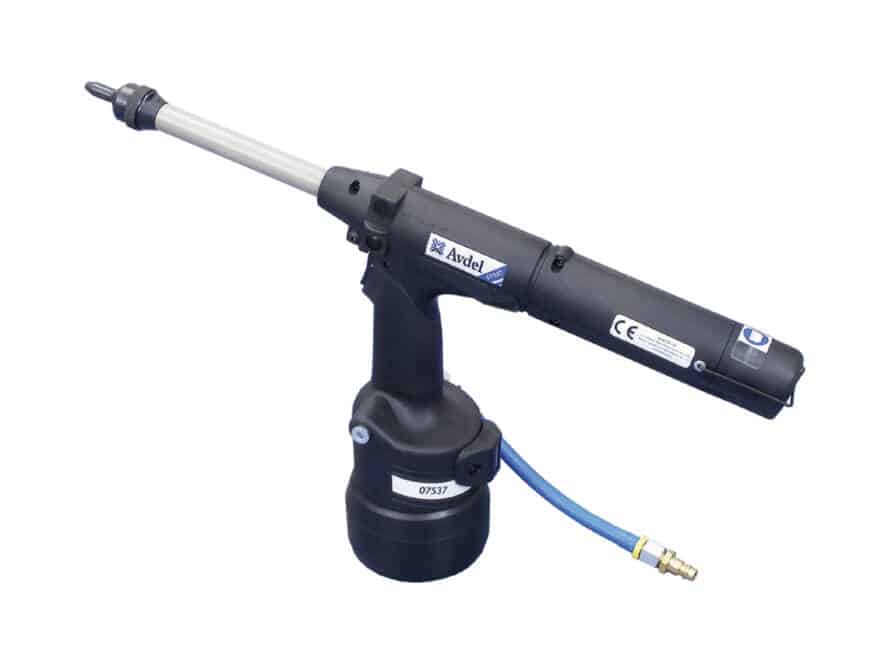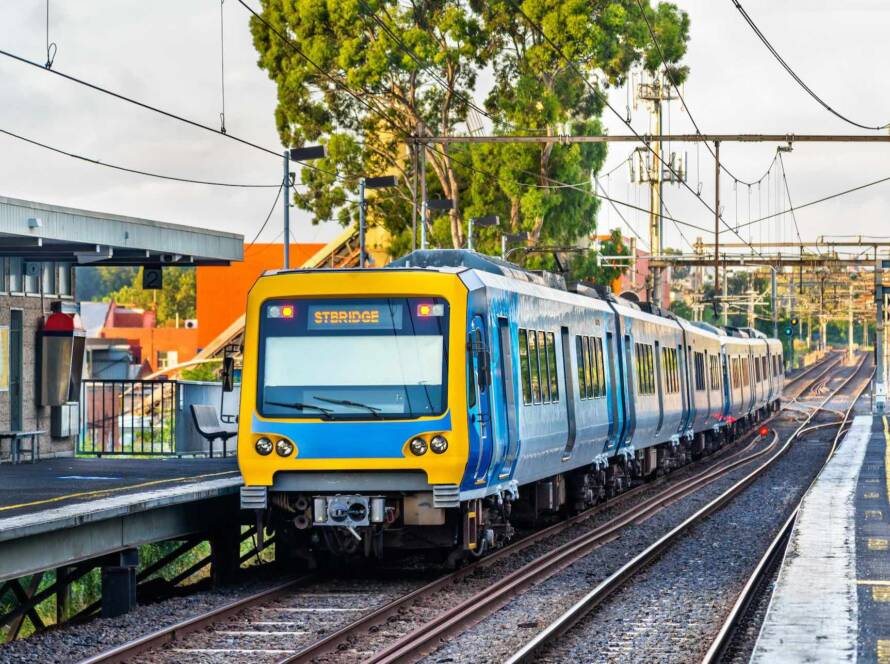
The days of dragging compressors and tangled hoses along the track may finally be over. A new generation of battery-powered lockbolt tools is breaking free from the limits of traditional equipment and giving rail crews something they’ve never had before: full installation force with true cordless freedom.
What once required a generator and compressor, a web of air lines and precious set-up time can now be achieved with a handheld tool ready to go the moment it’s picked up. On the track and in the depot, where every second of downtime counts, this shift isn’t just convenient – it’s transformative.
Solving long-standing challenges
Battery tools are emerging as a practical answer to the rail sector’s most persistent fastening challenges. Lockbolts remain vital to rolling stock, infrastructure assembly and maintenance, but traditional pneumatic or hydraulic systems restrict access, slow down maintenance cycles, and increase labour hours. By contrast, the latest battery technologies provide high pull force, improved mobility and significantly reduced downtime. For technicians working in confined areas such as bogies, couplers or under-carriages, the shift to cordless operation delivers immediate benefits in speed, safety and manoeuvrability.
Built for rail
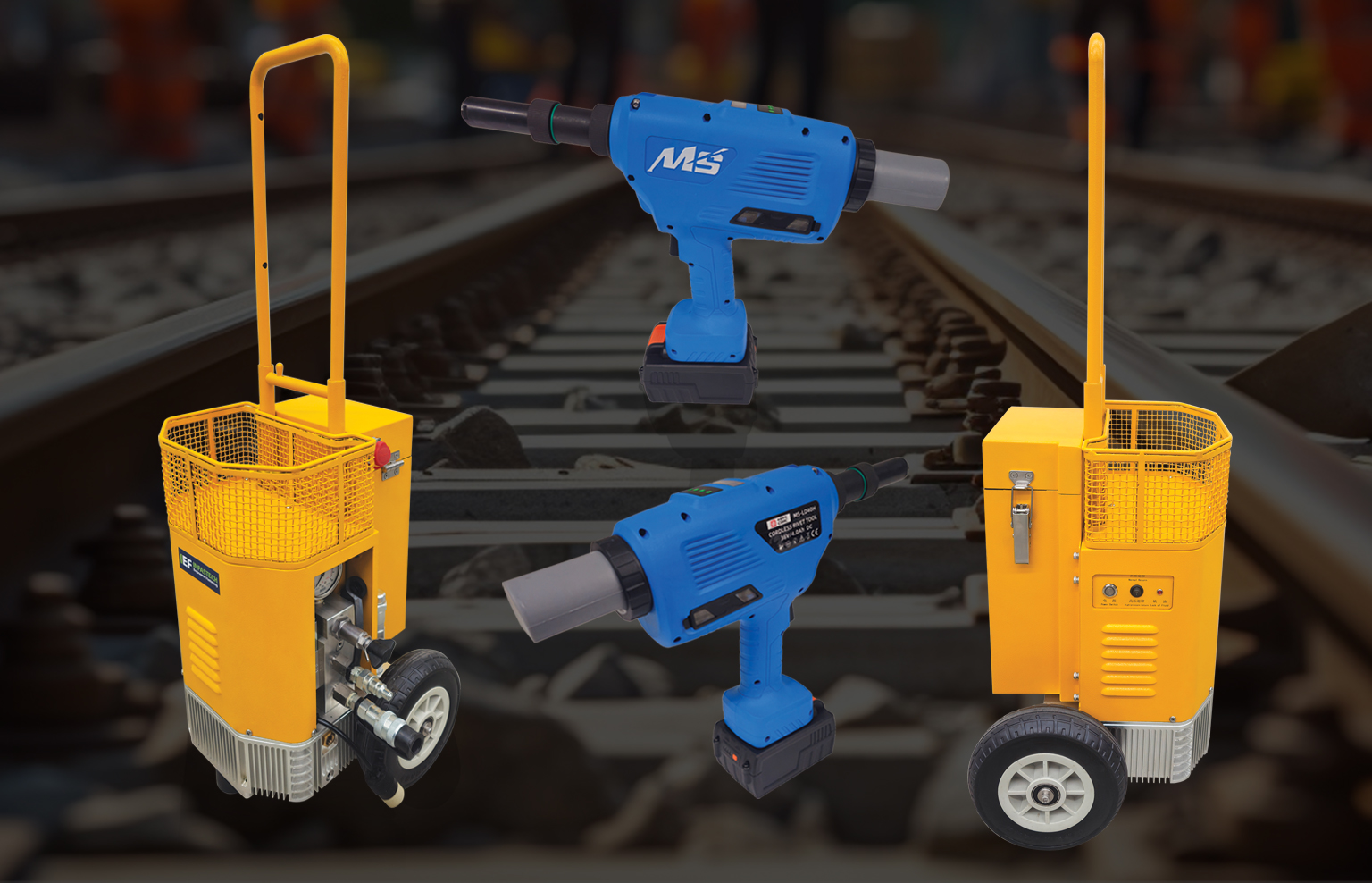
Central to this transition are purpose-built, high-force battery tools engineered specifically for the demands of rail maintenance. The LD40 lockbolt and Monobolt tool, for example, offers 40 kN of pulling force in a compact, handheld unit capable of completing as many as 1,000 installations per charge. For depot environments where heavier, high-pressure tasks are required, the MS-LT1A1 battery-powered hydraulic unit provides mobile power with the convenience of a rechargeable battery pack. The combination of the LD40 and MS-LT1A1 forms a comprehensive assembly solution that enables rail operators to reduce dependence on fixed infrastructure and deploy fastener installation wherever needed most.
Benefits beyond the rail sector
While rail is leading the adoption curve, the advantages of cordless high-force fastening are also well-suited to other heavy sectors. Construction teams seeking greater mobility on complex build sites, automotive manufacturers optimising assembly efficiency, and general manufacturing environments focused on uptime and consistency are all recognising the value of eliminating compressors and hoses. The appeal is clear: faster set-up, greater freedom of movement and reliable, repeatable installation.
A decisive shift towards cordless solutions
The move towards battery tools marks a decisive evolution of how structural fasteners are handled across heavy industries. For rail, the impact is especially significant, with operators now better equipped to meet rising maintenance demands while improving safety and operational resilience.